Applying for a green card while living in the United States can feel overwhelming, especially when legal forms and immigration rules are involved. Many applicants struggle to understand which form to file, how the process works, and what mistakes to avoid. Without the right information, even small errors can lead to delays or denials. In this guide, you’ll learn what Form I-485 is, how it works step by step, and how USCIS Form I-485 helps eligible individuals adjust their status smoothly.
What Is Form I-485?
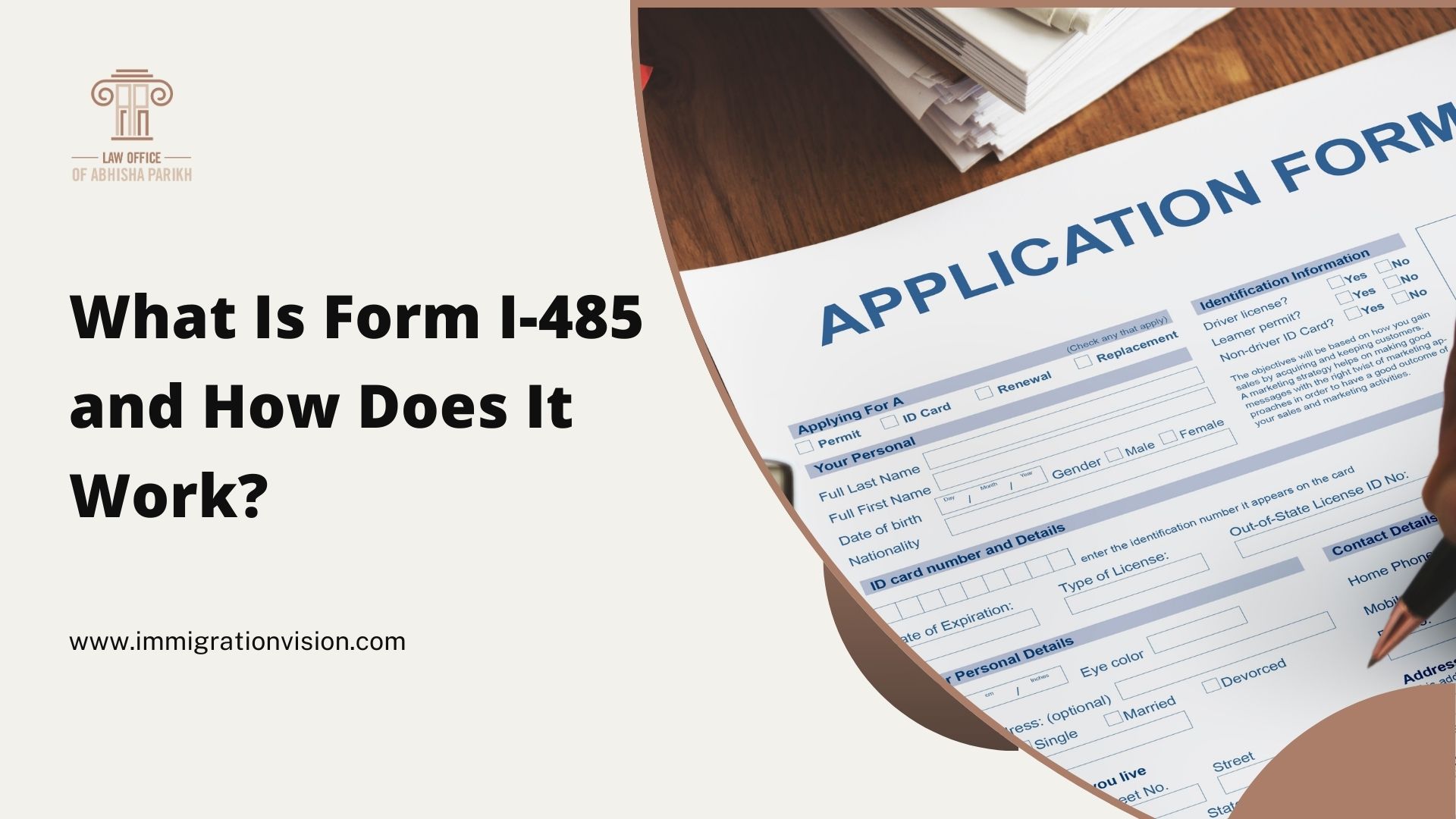
Form I-485, officially called the Application to Register Permanent Residence or Adjust Status, is a form issued by USCIS (U.S. Citizenship and Immigration Services). It is used by individuals who are already present in the United States and want to apply for lawful permanent resident status (a green card) without returning to their home country.
In simple terms:
- If you are living in the U.S. on a temporary visa
- And you want to become a permanent resident
- You must file USCIS Form I-485
The main purpose of Form I-485 is to allow eligible applicants to adjust their immigration status from non-immigrant to immigrant. This process is known as USCIS Adjustment of Status.
Form I-485 is commonly filed through:
- Family-based immigration
- Employment-based immigration
- Marriage-based immigration
- Other special immigrant categories
Because immigration laws are complex and filing errors can cause delays or denials, many applicants choose to work with an immigration attorney or experienced New Jersey immigration lawyers to ensure the application is completed correctly.
How Does It Work?
The Form I-485 process follows several important steps. Understanding each step helps applicants prepare properly and avoid unnecessary complications.
Step 1: Determine Eligibility
Before filing, USCIS requires confirmation that:
- You are legally present in the United States
- You qualify under an eligible immigration category
- You have an approved or pending immigrant petition (if required)
An immigration attorney can review your case and confirm eligibility.
Step 2: File Form I-485
The applicant submits:
- Form I-485
- Supporting documents (passport, visa, I-94, birth certificate, etc.)
- Medical examination report
- USCIS filing fees
Proper documentation is critical, and mistakes can lead to requests for evidence or delays.
Step 3: Biometrics Appointment
After filing, USCIS schedules a biometrics appointment where fingerprints, photographs, and a signature are collected. This step is required for background and security checks.
Step 4: USCIS Interview (If Required)
In many cases, USCIS schedules an interview:
- An officer reviews your application
- Questions are asked about your background, eligibility, and supporting documents
- Family or employment-based cases may require detailed verification
Having guidance from New Jersey immigration lawyers during this stage can be especially helpful.
Step 5: USCIS Decision
After reviewing the application and interview:
- USCIS may approve the application and issue a Green Card
- Request additional evidence (RFE)
- Or, in rare cases, deny the application
Once approved, the applicant officially becomes a lawful permanent resident of the United States.
Conclusion
USCIS Form I-485 plays a critical role in the U.S. immigration process by allowing eligible individuals to apply for permanent residency without leaving the country. Because immigration laws and documentation requirements can be complex, working with experienced legal professionals ensures accuracy, compliance, and peace of mind. And in New Jersey, Immigration Vision is that proficient legal hand. With the appropriate preparation by our seasoned lawyers under the guidance of Abhisha Parikh, you can move forward confidently toward lawful permanent resident status.
Frequently Asked Questions About Form I-485
Q1. What paperwork is needed to submit Form I-485?
Common documents include a valid passport, visa, I-94 record, medical exam report, birth certificate, and supporting evidence. An immigration attorney can help ensure documentation accuracy.
Q2. How long does Form I-485 processing take?
Form I-485 processing time varies based on case type, USCIS workload, and location. Depending on the specifics of each case, it may take several months or more than a year.
Q3. Can I work while I wait to submit my Form I-485 application?
You may work while your application is pending if you receive an Employment Authorization Document (EAD). This allows legal employment during the USCIS adjustment of status process.
Q4. Can I travel outside the United States while my Form I-485 is pending?
Travel is allowed only with approved Advance Parole. Traveling without authorization may result in application abandonment. Immigration Vision can help determine safe travel options for your situation.
Q5. What happens if Form I-485 is denied?
If denied, USCIS explains the reason and possible next steps. Immigration Vision assists applicants in reviewing options such as refilling, appeals, or alternative immigration solutions.
Q6. Do I need an immigration attorney to file Form I-485?
An attorney is not required, but legal guidance reduces errors and delays. Lawyers at Immigration Vision provide support to help applicants navigate the process confidently.